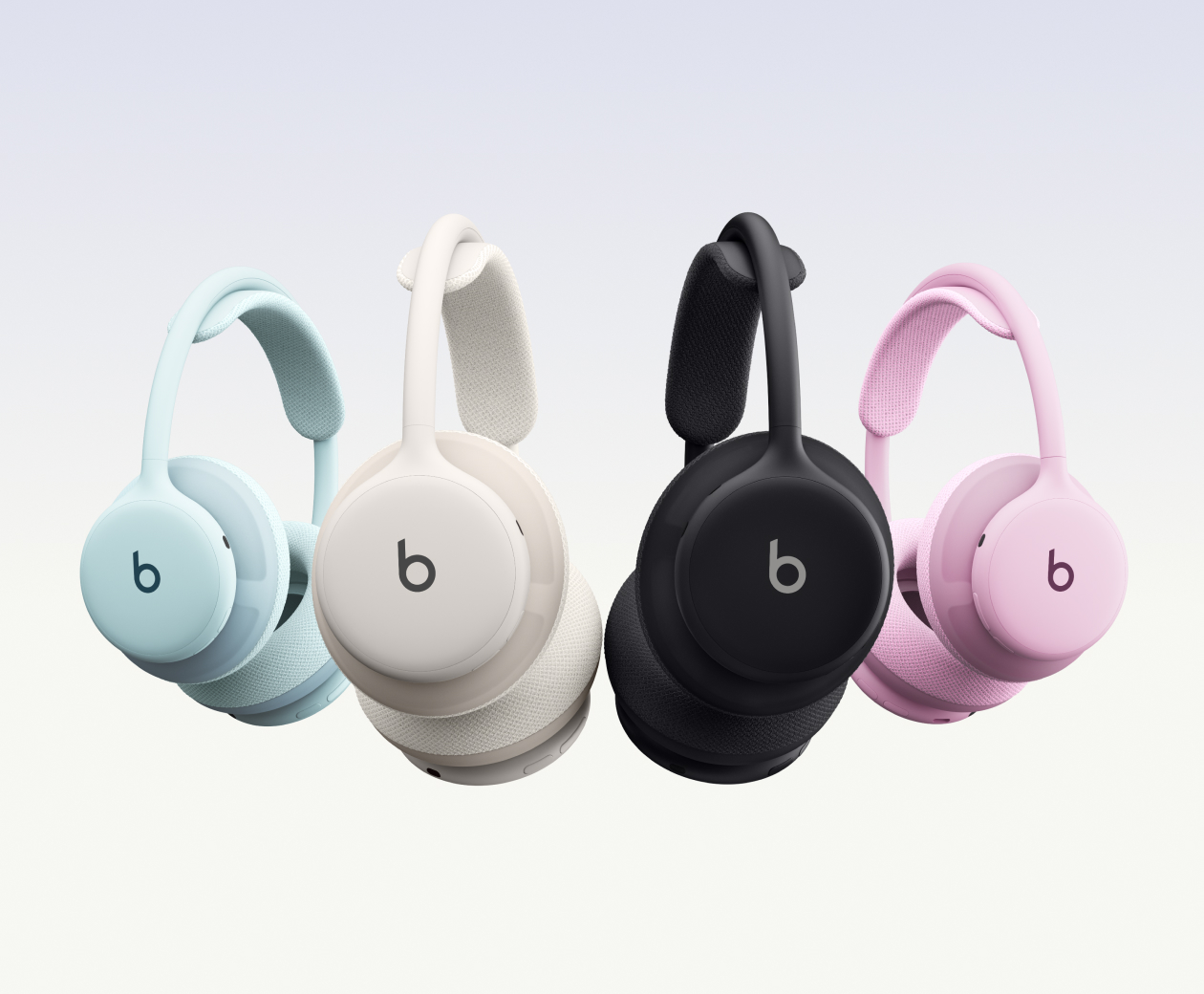
Beats has spent the better part of a decade rewriting its own story. The brand that once defined portable audio with skull-rattling bass and celebrity cachet has steadily transformed into something more serious: a premium audio label with genuine engineering credibility. The Beats 360 is the clearest statement of that ambition yet. Rather than chasing louder lows or flashier colors, Beats built its most immersive headphone around spatial audio, custom acoustics, and deep integration with Apple’s ecosystem. This is not just a product launch. It is a signal of where Beats intends to compete.
A note on sourcing: Beats has not published official specifications, pricing, or a release date for a product called the “Beats 360.” The details below reflect reported and rumored figures and should be treated as preliminary until Beats confirms them. We will update this article as verified information becomes available.
Beats 360 Specs at a Glance
| Feature | Reported detail |
|---|---|
| Drivers | Custom 40mm, tuned for spatial reproduction |
| Battery life | Up to 40 hours with spatial audio and ANC on; up to 50 hours with both off |
| Fast charge | 10 minutes for roughly 5 hours of playback |
| Chip | Apple H1 |
| Bluetooth | 5.0, with multipoint pairing |
| Charging | USB-C |
| Head tracking | Dynamic, via gyroscopes and accelerometers |
| Price | Not yet confirmed |
| Release date | Not yet confirmed |
| Colors | Not yet confirmed |
| In the box | Not yet confirmed |
| Warranty | Not yet confirmed |
From Bass Heavy Beginnings to Premium Sound
When Beats launched in 2008, its identity was inseparable from hip hop culture and heavy low-end tuning. Critics called the sound unbalanced. Fans called it fun. After Apple acquired Beats in 2014, the tuning philosophy shifted. Products like the Studio3, Solo Pro, and Fit Pro introduced more neutral profiles, active noise cancellation, and Apple silicon. The Beats 360 continues that arc, pushing the brand into spatial audio territory that demands precision rather than punch.
The Design Philosophy Behind the Beats 360
Beats designers faced a familiar tension: headphones must look good and sound good, often in conflict. The Beats 360 reportedly resolves it with a lightweight frame, minimal branding, and a silhouette that echoes Apple’s industrial language without copying it. Comfort drove the geometry. The headband distributes weight across a wider surface area, and the earcups rotate on a gimbal that adapts to head shape. Beats engineers reportedly logged hundreds of hours of wear testing to ensure the 360 could be worn for long sessions without pressure points.
Engineering Spatial Audio
The headline feature is dynamic head tracking. Using gyroscopes and accelerometers, the Beats 360 anchors sound to the space around you rather than your skull. Turn your head, and the audio stage stays fixed, as if a virtual speaker array surrounded you. Beats paired this with custom 40mm drivers tuned specifically for spatial reproduction, plus an advanced processing pipeline that handles real-time rendering. The result is a soundstage that feels wider than the physical drivers could ever produce alone. For film, games, and live recordings, the effect is genuinely transportive.
Materials and Build Quality
Premium materials matter more when a headphone promises immersion. The Beats 360 uses anodized aluminum in the headband and hinge assembly, wrapped in a soft-touch polymer that resists fingerprints. Memory foam ear cushions are covered in a breathable knit fabric rather than pleather, reducing heat buildup during long sessions. Beats subjected the 360 to durability testing that includes flex cycles, drop tests, and sweat resistance. The build feels solid without feeling heavy.
The Role of Apple’s Ecosystem
Apple’s H1 chip sits at the center of the experience. It enables instant pairing with iPhones, iPads, and Macs, seamless switching between devices, and “Hey Siri” hands-free control. More importantly, the H1 handles the low-latency processing that makes head tracking feel immediate rather than laggy. Android users can still use the Beats 360, but the full experience lives inside Apple’s walled garden. That is a real limitation, not a footnote: Android owners lose instant pairing, automatic device switching, and Siri, and they will need the Beats app for firmware updates and EQ adjustments.
Battery Life and Connectivity
Beats rates the 360 at up to 40 hours of playback with spatial audio and ANC enabled, and closer to 50 hours with both off. A 10-minute fast charge yields roughly five hours of listening. Bluetooth 5.0 handles the wireless connection, and multipoint pairing lets the headphone hold two active devices at once. USB-C handles charging, finally retiring the Lightning port from Beats’ flagship line. Note that Bluetooth 5.0 is now a generation behind the 5.3 and 5.4 radios found in the Sony WH-1000XM5 and Bose QuietComfort Ultra, which may matter for latency and power efficiency over time.
User Experience and Controls
Controls are handled through a combination of physical buttons and touch gestures. A dedicated button toggles transparency mode, which pipes ambient sound through the microphones so you can order coffee without removing the headphones. Volume and playback respond to taps and swipes on the right earcup. The Beats app offers EQ presets, firmware updates, and a fit test that checks seal quality.
Beats 360 vs AirPods Max
| Beats 360 | AirPods Max | |
|---|---|---|
| Chip | Apple H1 | Apple H1 |
| Spatial audio | Yes, dynamic head tracking | Yes, dynamic head tracking |
| Battery life | Up to 40 hours with ANC and spatial audio | Up to 20 hours with ANC and spatial audio |
| Charging | USB-C | USB-C |
| Price | Expected below AirPods Max | $549 at launch |
| Weight | Reported lighter | 385 grams |
The comparison is the strongest argument for the 360. It delivers similar ecosystem benefits and substantially longer battery life at a lower expected price. What it does not appear to match is the AirPods Max’s machined aluminum and stainless steel construction, which remains the more premium build.
Competition and Market Positioning
The Beats 360 lands in a crowded field. Sony’s WH-1000XM5 remains the noise cancellation benchmark, and the Bose QuietComfort Ultra offers arguably the most refined spatial audio implementation. Both beat the 360 on Bluetooth version and on the maturity of their ANC tuning. The Beats 360 carves its niche through balance: strong spatial audio, comfortable design, long battery life, and a price point below the AirPods Max. For Apple loyalists who want immersive sound without paying flagship prices, it is a compelling proposition.
Frequently Asked Questions
When is the Beats 360 release date?
Beats has not announced an official release date. We will update this section when the company confirms availability.
How much does the Beats 360 cost?
Pricing has not been confirmed. Based on positioning below the AirPods Max, expect a price in the mid-premium range rather than flagship territory.
Does the Beats 360 work with Android?
Yes, but with caveats. You lose instant pairing, automatic device switching, and “Hey Siri.” You will also need the Beats app for firmware updates and EQ settings.
Does the Beats 360 have active noise cancellation?
Yes. Beats rates battery life with ANC and spatial audio both enabled, and the headphone includes a transparency mode for ambient sound.
Is the Beats 360 better than the AirPods Max?
It offers longer battery life and a lower expected price with the same H1 chip and spatial audio features. The AirPods Max counters with a more premium metal build.
A New Chapter for Beats
The Beats 360 is not a reinvention so much as a culmination. It takes the tuning discipline Beats developed after the Apple acquisition, adds spatial audio processing that only Apple’s silicon can fully enable, and packages it in a design that finally feels worthy of the price. The headphone market rewards brands that can tell a coherent story about sound, comfort, and ecosystem. Beats now has that story. If the 360 succeeds, it will not just be remembered as the company’s most immersive headphone. It will be remembered as the moment Beats stopped being the bass brand and became an audio brand.