What the Law Actually Does
SB 1392 creates a narrow smog-check exemption for qualifying collector cars from the 1976 through 1985 model years. That’s ten model years of vehicles that have long been stuck in California’s emissions testing purgatory, too new to qualify for the state’s existing pre-1976 exemption and too old to easily pass modern smog standards.
To qualify under the new law, a vehicle must meet one of two conditions: it must be insured as a collector vehicle, or it must be driven fewer than 1,000 miles per year. That second option represents a meaningful loosening from earlier drafts of the legislation and from California’s existing rules. Under current law, classic car insurance is essentially mandatory for any kind of exemption consideration. The new mileage-based pathway gives owners an alternative, though as we’ll see, it comes with its own practical limitations.
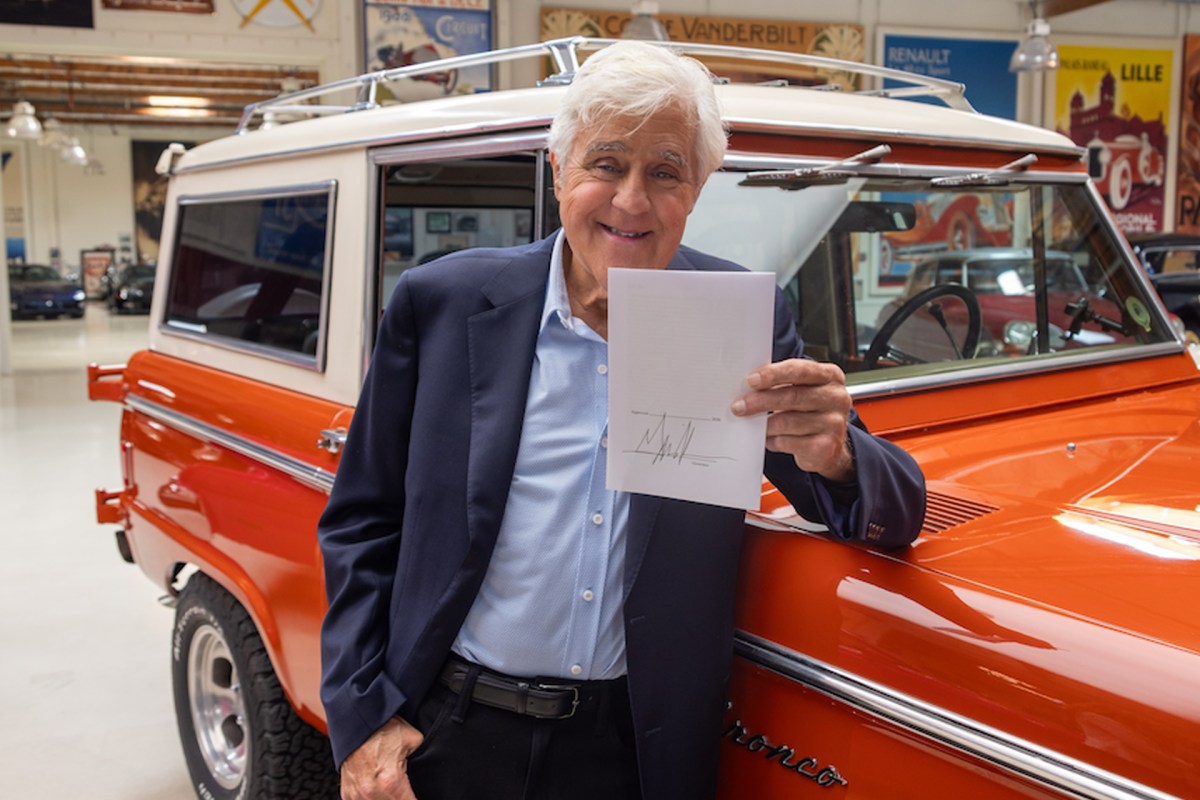
The law was officially introduced by Senators Dave Cortese and Shannon Grove, both of whom were honored by SEMA (the Specialty Equipment Market Association) for their work on the issue. The push spanned multiple legislative sessions and several bills, with a prior version authored by Senator Grove expiring before this one finally crossed the finish line.
The Fine Print That Matters
Here’s where the celebration needs to be tempered with a careful reading of the actual text.
First, the exemption is gated by a rolling model-year cutoff, not simply a 35-year age threshold. This is a critical distinction. Being 35 years old is necessary but not sufficient to qualify. The phase-in schedule caps at pre-1986 in 2033, which means that even as time marches forward, vehicles from the mid-to-late 1980s and beyond will remain excluded. If you own a 1987 IROC-Z or a 1989 Mustang GT, this law does nothing for you. And it never will, at least not under the current framework.
Second, that 1,000-mile annual limit is more restrictive than it sounds. For context, the average American drives somewhere between 12,000 and 15,000 miles per year. But the more telling comparison is against other states’ collector exemptions, many of which allow 2,500 to 5,000 miles annually. California’s own pre-1976 exemption, meanwhile, carries no mileage cap at all. Against that backdrop, 1,000 miles looks less like a reasonable safeguard and more like an arbitrary ceiling. Even among classic car owners who treat their vehicles as weekend toys, 1,000 miles goes fast. A few cars-and-coffee runs, a couple of local shows, and maybe one short scenic drive, and you’re already pushing the limit. Any kind of real road trip, the kind that makes classic car ownership genuinely rewarding, is effectively off the table if you’re relying on the mileage exemption.
Third, the insurance pathway, while simpler for many owners, comes with its own complications. Companies like Hagerty and Grundy offer collector vehicle policies, but they have stipulations about how and where the vehicle is stored and used. Some owners report being declined by Hagerty because the vehicle was kept in a shared garage, a common situation in densely populated urban areas where private garages are a luxury. For those owners, the mileage option may be the only viable path, which circles back to the 1,000-mile problem.
Why It Took Eight Years
The passage of SB 1392 was not a quick or easy process. Mike Frankovich, who runs the Facebook group Californians for Classic Car Smog Exemptions, worked on this effort for almost eight years. He has noted that he was repeatedly told no progress was possible, that California’s emissions regime was simply too entrenched to budge.
Five separate bills on this topic were introduced over the years. A prior version authored by Senator Shannon Grove was deprioritized and eventually expired before the current version succeeded. That’s nearly a decade of advocacy, lobbying, and legislative grinding to achieve a narrowly scoped exemption that doesn’t take effect for another three years.
The effort does deserve recognition. Frankovich and the thousands of enthusiasts in his group kept the pressure on. SEMA’s decision to honor Cortese and Grove signals that the aftermarket and collector communities see this as a meaningful, if incremental, win. But it’s worth being honest about the scale of the achievement relative to the effort required to get there.
What This Means for Enthusiasts Today
If you own a 1976 to 1985 classic in California and you’re hoping this law solves your smog problems right now, it doesn’t. The exemption doesn’t begin phasing in until January 1, 2028. Until then, your obligations remain exactly what they were before Newsom’s signature.
The delay is written into the statute itself. SB 1392 sets a future operative date rather than taking effect immediately upon signing, a common legislative mechanism that gives the California Air Resources Board and the Department of Motor Vehicles time to build out the qualification and verification process. In practical terms, that means the agencies have roughly three years to determine how owners will document their mileage, how insurers will certify collector policies, and how the exemption will be administered at the point of registration and testing. Whether that runway proves sufficient is an open question, but it is the reason for the gap.
So what are your actual options in the meantime?
The simplest path remains buying a 1975 or older vehicle. California has exempted these from smog testing for years, and that exemption is not going anywhere. If you’re in the market for a classic and you want to avoid the testing headache entirely, this is still the cleanest route.
If you already own a 1976 to 1985 vehicle, your best bet is to find a mechanic who understands vintage emissions equipment and is willing to work with you to keep it functioning properly. In many cases, that mechanic will be you. These systems are not impossibly complex, but they do require attention, and finding someone who knows carburetors, early feedback carb systems, and the vacuum hose spaghetti of the late 1970s and early 1980s is getting harder every year.
Classic car insurance is still worth pursuing if you can qualify. It provides coverage tailored to the agreed value of your vehicle, and it already satisfies existing exemption considerations under California rules. Once the new framework phases in, that same coverage will continue to satisfy the collector vehicle requirement. But as noted, not everyone can get it, and the requirements vary by insurer and by state.
The Bottom Line
SB 1392 is a step forward. It acknowledges, at the legislative level, that California’s one-size-fits-all smog regime doesn’t make sense for low-mileage collector vehicles. That acknowledgment matters, and the advocates who spent nearly a decade pushing for it deserve credit.
But let’s be clear about what this law is and isn’t. It is a narrow exemption for a specific ten-year window of vehicles. It is delayed until 2028. It caps annual mileage at a level that makes genuine road trips impractical. And it leaves many 1980s vehicles, arguably some of the most iconic of the era, permanently excluded.
For now, the best advice for California classic car owners remains unchanged. Buy 1975 or older if you can. Maintain your emissions equipment if you can’t. And keep an eye on what happens next, because if this law proves workable, it may pave the way for broader exemptions down the road. But that’s a fight for another day, and likely another eight years.
FAQ
When does SB 1392 take effect?
The exemption phases in beginning January 1, 2028. Until that date, smog testing obligations for 1976 to 1985 vehicles remain unchanged.
Does Leno’s Law apply to my car?
Only if your vehicle falls within the 1976 through 1985 model years and meets at least one of two conditions: collector vehicle insurance, or fewer than 1,000 miles driven per year.
What happens after 2033?
The phase-in schedule caps at pre-1986, meaning vehicles from 1986 and later remain permanently excluded under the current framework.
Can I use the mileage exemption for road trips?
Not realistically. At 1,000 miles per year, even modest local driving consumes most of the allowance. Any substantial road trip would exceed the cap.
Do I still need smog checks before 2028?
Yes. Until the exemption takes effect, all existing testing requirements apply exactly as before.